Are cockroaches hiding unseen in your Singapore home? They excel at concealing themselves in walls, drains, and pantries, where they breed hidden infestations that DIY sprays simply cannot reach. Understand why these cockroaches singapore flourish in our humid climate, recognize subtle signs infestation such as droppings and odors, and discover how Aardwolf Pestkare’s professionals employ advanced detection tools and targeted treatments to eradicate them permanently—along with practical preventive measures to ensure they stay away.
Key Takeaways: for cockroach control Singapore
- Professionals use advanced detection tools like thermal imaging and insect monitoring stations to uncover hidden cockroach nests in walls, drains, and cracks that DIY methods miss.
- Targeted gel baits and insect growth regulators eliminate entire infestations by disrupting breeding cycles in concealed areas like kitchens and pantries.
- Post-treatment prevention, including sealing entry points and sanitation advice, ensures long-term cockroach-free homes in Singapore’s humid climate.
Why Cockroach Infestations Thrive in Singapore
Cockroach infestation loves Singapore’s high humidity and warm temperatures, making HDB flats, condominiums, rubbish chutes, and hawker centres perfect breeding grounds for Singapore cockroaches seeking food sources and water sources.
These conditions boost cockroach behaviour and proliferation, especially for species like the German cockroach and American cockroach. They thrive in moist areas, laying egg cases or oothecae in hidden spots. Moisture attractant factors draw them to kitchens and drains.
Common signs of infestation include cockroach droppings, shed skins, and a musty odour. Nocturnal insects like the brown-banded cockroach hide in electronics or cabinets during the day. Their rapid life cycle with nymphs moult speeds up population growth.
- Fix leaks in pipes and faucets to cut off water sources.
- Adopt hygiene habits like cleaning spills and storing food in airtight containers, door sweeps.
- Install door sweeps and seal entry points to block access.
These preventive measures reduce hiding places and limit breeding. For ongoing issues, consider professional pest control over DIY methods alone.
Signs of Hidden Cockroach Infestations
Spotting infestation signs of hidden cockroach infestations early can save you from a full-blown cockroach problem. Look out for cockroach droppings, shed skin, oothecae eggs, egg cases, and that telltale musty odour or unpleasant smell lurking in your home. These clues reveal nocturnal insects active at night in dark hiding places.
Cockroach droppings resemble tiny black specks or coffee grounds, often found along walls or in cabinets. Shed skins from nymphs moulting during their life cycle appear as translucent husks near food sources. An unpleasant smell signals a growing infestation, as these pests release pheromones.
Check behind appliances and in cracks for egg cases, which are small, brown capsules holding multiple oothecae eggs. Professional pest control uses insect monitoring to detect these hidden signs before they spread. Homeowners in Singapore often miss them due to cockroach behaviour.
Ignore pandan leaf myths that claim these leaves repel cockroaches, as they offer no real protection. Instead, focus on hygiene habits and sealing entry points. Early detection leads to effective cockroach treatment and long-term control.
Common Hidden Nesting Areas in Singapore Homes
Cockroaches singapore homes love tucking into common hidden nesting areas like hiding places behind entry points, turning your kitchen into cockroach havens and bathrooms into nightmares if you don’t seal entry points with silicone-based caulk.
In HDB flats, these nocturnal insects thrive in warm temperatures and high humidity, leaving behind signs like cockroach droppings, shed skins, and a musty odour. Common spots include behind appliances and inside cabinets where they hide egg cases, or oothecae.
Spotting an infestation signs early helps, but DIY methods often miss deep nests. Professional help from Aardwolf Pestkare uses tools like insect monitoring to find and eliminate these hidden spots for effective cockroach control.
Focus on cockroach prevention by fixing leaks and maintaining hygiene habits. In Singapore’s environment, calling experts ensures long-term control against species like the German cockroach and American cockroach.
Kitchen and Pantry
Your kitchen and pantry are prime real estate for kitchen cockroaches drawn to food sources, but storing everything in airtight containers and using natural cockroach repellent like pandan leaves or bay leaves can help curb the issue.
These areas attract cockroach infestations due to crumbs and spills, where German cockroaches lay egg cases behind fridges or in pantry corners. Cockroach behaviour leads them to nocturnal feeding, spreading risks like food poisoning and cockroach allergy.
Home remedies such as boric acid mixed with sugar or diatomaceous earth offer temporary relief, alongside sticky traps for monitoring. Yet, for long term control, professional pest control applies gel baits that target the life cycle, including nymphs.
In F&B outlets or busy HDB kitchens, gel baiting and residual spraying outperform DIY remedies. Aardwolf Pestkare provides tailored cockroach treatment to end the problem completely.
Bathrooms and Drains
Bathrooms and drains with their water sources and P-trap moisture are cockroach magnets in high humidity, so fix leaks and use a dehumidifier to make them less inviting.
Moisture attractant draws species like the brown-banded cockroach, which nest in damp pipes and leave oothecae eggs. Signs include an unpleasant smell and shed skins near sinks.
Preventive measures like pouring baking soda down drains or using essential oils as cockroach repellent provide short-term fixes. When DIY methods fail against insecticide resistance, opt for professional pest control cockroach treatment.
Experts recommend residual spraying in voids and cockroach traps for complete removal. Aardwolf Pestkare handles these hidden spots in Singapore homes effectively.
Wall Voids and Cracks
Wall voids and cracks serve as secret highways for cockroaches, so seal entry points with silicone-based caulk and add door sweeps to keep these nocturnal insects out.
In HDB flats, american cockroach travel through these hiding places, carrying cockroach diseases as mechanical vectors like salmonellosis. Infestations here often go unnoticed until cockroach droppings appear.
Use garlic spray or pandan leaf sachets near cracks for natural deterrence, but pros detect nests with specialized tools. This beats common cockroach myths about instant fixes.
Professional pest control addresses the full life cycle, from incomplete metamorphosis to adult stages. Aardwolf Pestkare ensures thorough elimination in hard-to-reach areas.
Types of Cockroaches and Their Hiding Habits
Understanding cockroach species like the German Cockroach (Blattella germanica), American Cockroach (Periplaneta americana), and Brown-banded cockroach reveals their sneaky cockroach behaviour and favourite hiding places in Singapore homes.
These nocturnal insects undergo incomplete metamorphosis, starting as nymphs that moult several times through their life cycle. Nymphs resemble tiny adults but lack wings, hiding in cracks until mature. This process lets them spread cockroach infestations quickly in high humidity and warm temperatures common in Singapore.
They seek food sources, water sources, and shelter, often leaving egg cases or shed skins as signs of infestation. Experts recommend monitoring these hiding places to catch problems early. Professional pest control helps target their habits effectively.
Common signs include cockroach droppings, musty odour, and oothecae eggs. Preventive measures like sealing entry points and using airtight containers limit their access. Understanding these patterns aids in cockroach prevention and long-term control.
German Cockroach Nests
german cockroach nests, often called Blattella germanica, pop up in warm kitchen cockroaches zones loving those cozy high temperatures.
These pests favour cracks behind appliances, cabinets, and near sinks where moisture attractant draws them. Nymphs moult in these tight spots, spreading infestation signs like egg cases and shed skins. Their rapid life cycle worsens cockroach infestations in F&B outlets and homes.
Look for cockroach droppings like coffee grounds and a greasy smell. Gel baits work well as they attract and kill via colony sharing. Combine with hygiene habits, like fix leaks, for better results.
Due to insecticide resistance, avoid basic DIY remedies alone. Professional pest control uses targeted gel baiting for effective cockroach treatment. This approach tackles hidden nests thoroughly.
American Cockroach Hideouts
American cockroach (Periplaneta americana) hideouts thrive in damp drains and basements, making them tough to spot without pros.
Larger than others, they act as mechanical vectors for cockroach diseases like Salmonellosis and food poisoning. Their life cycle includes nymphs that moult in moist, dark areas near water sources. High humidity in Singapore sewers boosts their numbers.
Signs include large egg cases, Oothecae, cockroach droppings, and an unpleasant smell. Residual spraying and insecticide spray coat surfaces to kill on contact and lingering pests. Seal entry points with Silicone-based caulk or door sweeps to block access.
Home remedies like Boric Acid, Baking Soda, Lemon, Vinegar, or Cucumber offer temporary relief, but pros ensure long term control. Monitor with Insect monitoring stations for early detection. This prevents spread to living areas.
Brown-Banded Cockroach Spots
Brown-banded cockroach spots are sneaky in wall voids and furniture, far from typical food sources in Singapore HDB flats.
Unlike others like the Oriental Cockroach (Blatta orientalis), German Cockroach (Blattella germanica), or American Cockroach (Periplaneta americana), they avoid kitchens, preferring dry, warm upper areas like ceilings and electronics. Nymphs moult in these hidden spots during incomplete metamorphosis, evading standard checks. This behaviour leads to widespread cockroach problems and car cockroaches in Singapore homes.
Spot them by light bands on wings and tiny egg cases in upholstery. Sticky traps and Sticky traps capture them effectively in these locations. Professional Pest Management Professionals (PMPs) reveal overlooked hiding places.
Use a dehumidifier to reduce appeal, alongside cockroach traps. For severe cases, combine with essential oils, Bay Leaves, or Pandan Leaf as repellents. Seek professional help from Helpling or others for complete elimination and cockroach prevention.
Why DIY Methods Fail Against Hidden Nests
DIY methods like boric acid, diatomaceous earth, baking soda, and other home remedies often flop against hidden nests due to insecticide resistance and cockroach myths that ignore their resilient life cycle. Cockroaches in Singapore, such as the German cockroach or American cockroach, hide in cracks and walls, laying egg cases or Oothecae that DIY treatments rarely reach, even in P-traps. These nocturnal insects thrive in high humidity and warm temperatures common in local homes, posing medical importance through diseases like Salmonellosis and Cholera.
Common cockroach myths claim Bay Leaves, Pandan leaves, or garlic spray act as repellents, but they do little to stop cockroach behaviour like foraging for food sources at night. Sticky traps and cockroach traps catch a few adults, yet miss nymphs moulting in hiding places or entire colonies behind appliances. Home remedies fail to address the incomplete metamorphosis, where new generations emerge resistant to powders like diatomaceous earth, causing Katsaridaphobia or fear of cockroaches, sometimes even cockroach bites.
Professionals use Gel Baits that cockroaches carry back to nests, targeting queens and eggs for long term control. Unlike insecticide spray or Residual spraying, which scatters survivors, gel baiting exploits their social feeding habits. Essential oils might mask musty odour temporarily, but they lack the precision of expert cockroach control Singapore treatment.
In F&B outlets or homes with kitchen cockroaches, DIY overlooks signs like cockroach droppings, shed skins, or water sources from leaks. Pros seal entry points with door sweeps and recommend dehumidifiers to cut moisture attractants. This beats DIY remedies for eliminating cockroach infestations completely.
How Professionals Detect Hidden Cockroach Nests
Pest Management Professionals (PMPs) detect hidden nests using Insect monitoring stations, sticky traps, and cockroach traps that reveal infestation signs pros miss. These tools capture cockroaches and show their activity patterns in hard-to-reach areas. Companies like Aardwolf Pestkare and Rentokil Pest Control rely on them for precise detection in Singapore homes, especially during COVID-19 when hygiene was critical.
Cockroach behaviour plays a key role, as these nocturnal insects prefer dark, warm hiding places near food sources and water sources. Professionals check for cockroach droppings, egg cases called oothecae, shed skins, and a musty odour that signals active nests. In kitchens, they inspect behind appliances where German cockroach nymphs often moult.
Experts from Aardwolf Pestkare use sticky traps placed along walls and under sinks to map movement. Rentokil Pest Control combines this with blacklight inspections for American cockroach trails in drains. These methods uncover infestation signs before they spread to F&B outlets or cars, including Nocticola pheromosa species.
Understanding the life cycle helps too, as nymphs from oothecae eggs indicate ongoing breeding in high humidity spots. Professionals seal entry points during inspections to prevent re-infestation. This targeted approach ensures long term control for Singapore cockroaches.
Targeted Treatments for Hidden Infestations
Targeted treatments like gel baits, residual spraying, and gel baiting, sometimes with boric acid or CO2 fumigation, outperform basic insecticide spray for hidden infestations. These methods focus on cockroach behaviour and their hiding places in cracks or behind walls. Aardwolf Pestkare’s cockroach control Singapore approach ensures pests consume bait and carry it back to nests.
Gel baits attract hungry cockroaches, including the German cockroach and American cockroach, common in Singapore homes. Workers ingest the bait and share it with others, breaking the life cycle by targeting egg cases and nymphs. This leads to long term control without widespread spraying.
Residual spraying leaves a thin insecticide layer on surfaces where cockroaches travel, effective against insecticide resistance. Combined with boric acid dust in voids, it eliminates hidden colonies over time. Aardwolf Pestkare monitors progress to adjust treatments for complete eradication.
CO2 fumigation penetrates deep into hard-to-reach areas, killing entire infestations including shed skins and oothecae eggs. Professional pest control like this prevents resurgence by addressing food sources and water sources. Homeowners see lasting results with fewer signs of infestation such as cockroach droppings or musty odour.
Steps in Professional Cockroach Control Process
The professional cockroach control process starts with inspection, insect monitoring, understanding the life cycle, then targeted cockroach treatment for complete elimination. Experts from services like Aardwolf Pestkare begin by spotting signs of infestation such as cockroach droppings, shed skins, and egg cases. This initial step reveals hiding places and entry points in kitchens or F&B outlets.
Next, insect monitoring tracks cockroach behaviour and population size using sticky traps. Professionals identify species like the German cockroach or American cockroach, which thrive in high humidity and warm temperatures common in Singapore homes. Understanding their incomplete metamorphosis, from nymphs that moult to adults, guides effective timing for treatments.
Treatment follows with gel baits, residual spraying, and boric acid applications to target all life stages, including oothecae eggs. These methods combat insecticide resistance seen in heavy infestations. Aardwolf Pestkare integrates cockroach prevention by sealing entry points and removing food sources.
Finally, follow-up ensures long-term control through hygiene habits and preventive measures like door sweeps. Clients learn to fix leaks, use airtight containers, and deploy dehumidifiers to eliminate water sources and moisture attractants. This comprehensive approach prevents reinfestation from nocturnal insects carrying diseases like salmonellosis.
Initial Inspection and Identifying Infestation Signs
During the first visit, technicians conduct a thorough inspection for cockroach infestations. They check dark corners, cabinets, and drains for droppings, musty odour, and shed skins. In Singapore, kitchen cockroaches often hide near food sources in high-humidity areas.
Experts distinguish infestation signs like egg cases and unpleasant smell from harmless debris. For instance, German cockroach droppings resemble coffee grounds, while larger American ones look like black pepper. This helps gauge severity and locate hiding places.
Aardwolf Pestkare uses flashlights and tools to uncover car cockroaches or brown-banded roaches behind appliances. Spotting these early prevents spread to bedrooms or food areas. Clients get tips on DIY checks between visits.
Insect Monitoring and Life Cycle Analysis
Insect monitoring involves placing cockroach traps and sticky traps to assess numbers and behaviour. Professionals observe nocturnal activity peaks at night. This data informs treatment schedules around the cockroach life cycle.
Cockroaches undergo incomplete metamorphosis, with nymphs moulting several times before adulthood. Egg cases protect multiple oothecae eggs, demanding treatments that target all stages. Understanding this prevents incomplete elimination.
In Singapore’s warm climate, cycles speed up, worsening infestations. Aardwolf Pestkare tracks species-specific patterns, like faster breeding in German cockroaches. This ensures gel baiting hits foraging adults effectively.
Targeted Treatments and Prevention Integration
Targeted cockroach treatment uses gel baits, diatomaceous earth, and residual spraying for thorough coverage. Gel baits attract and poison via food sources, while boric acid dust kills on contact. These outperform home remedies like baking soda or essential oils.
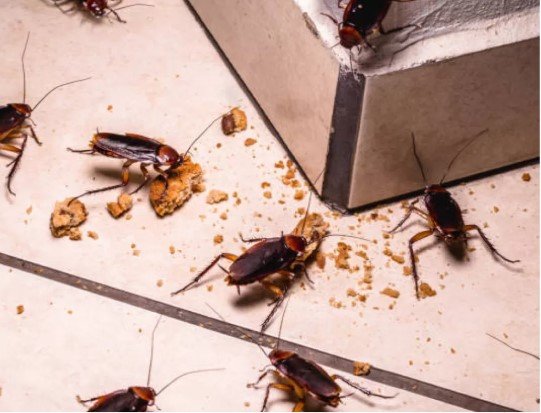
Professionals address insecticide resistance by rotating methods, avoiding over-reliance on sprays. For F&B outlets, treatments minimize downtime while eliminating mechanical vectors of cockroach diseases. Residual spraying creates barriers at entry points.
Cockroach prevention integrates sealing cracks, installing door sweeps, and using dehumidifiers. Clients store food in airtight containers and fix leaks to cut water sources. Aardwolf Pestkare advises pandan leaves or garlic spray as mild repellents alongside pro methods for long-term results.
What to Expect During and After Treatment: Including CO2 fumigation
During treatment, expect safe applications and monitoring; after, enjoy long term control with preventive measures keeping cockroaches at bay. Professional pest control teams in Singapore use targeted methods like Gel Baits and Residual spraying to tackle hidden infestations. These approaches focus on cockroach behaviour, disrupting their life cycle from nymphs to adults.
Treatment often starts with a thorough inspection for entry points, food sources, and egg cases like Oothecae. Technicians apply gel baiting in cracks and hiding places where German cockroach or American cockroach species lurk. You may notice a temporary increase in activity as baits draw out nocturnal insects before numbers drop.
After treatment, maintain hygiene habits to support results. Wipe surfaces to remove cockroach droppings and shed skins, and store food in airtight containers. Experts recommend sealing gaps with door sweeps and using a dehumidifier to cut high humidity, a key moisture attractant for Singapore cockroaches.
For lasting cockroach prevention, fix leaks promptly and vacuum regularly to eliminate musty odour sources. Combine professional help with simple steps like placing cockroach traps for ongoing insect monitoring. This ensures cockroach control without relying on ineffective home remedies like boric acid alone.
Prevention Strategies to Stop Reinfestation
Cockroach prevention shines with strategies like seal entry points, door sweeps, airtight containers, dehumidifier use, fix leaks, and solid hygiene habits. These steps cut off food sources and water sources that attract pests like the German cockroach or American cockroach. Experts recommend combining them for long-term control after professional pest control.
Start by inspecting your HDB flats for cracks around doors and windows. Install door sweeps and use Silicone-based caulk to seal gaps, blocking entry points for Singapore cockroaches. This simple fix stops nymphs and adults from sneaking in during warm temperatures and high humidity.
Store food in airtight containers and run a dehumidifier to reduce moisture attractants. Fix leaks promptly under sinks and clean P-trap to deny water sources, as cockroaches thrive on even tiny drips. Pair this with daily wipe-downs to remove cockroach droppings and shed skins.
- Use Sticky traps and Insect monitoring stations for ongoing insect monitoring in kitchens and F&B outlets.
- Apply gel baits in hiding places to target egg cases and oothecae eggs.
- Try natural options like Pandan leaves or Pandan Leaf, Bay Leaves, Lemon, Cucumber, or Vinegar placed near cabinets for a cockroach repellent effect.
These preventive measures address cockroach behaviour and life cycle, preventing reinfestation from hidden spots. For tough cases with signs like musty odour or infestation signs, seek Pest Management Professionals (PMPs) alongside DIY remedies.
Health Risks of Untreated Hidden Infestations
Untreated hidden infestations pose serious health risks like cockroach diseases, cockroach allergy, Salmonellosis, food poisoning via mechanical vectors, and even Katsaridaphobia fear. Cockroaches carry pathogens like Cholera on their bodies from dirty areas to kitchens. These nocturnal insects spread germs through cockroach droppings and shed skin.
Salmonellosis often comes from cockroaches contaminating food surfaces. They act as mechanical vectors, picking up bacteria like those causing food poisoning or COVID-19. In homes with kitchen cockroaches, this risk grows near food sources.
Cockroach allergy triggers asthma and skin reactions from allergens in droppings and oothecae eggs. Hidden German cockroach or American cockroach nests worsen air quality. Research suggests prolonged exposure leads to respiratory issues.
Untreated cases may link to broader concerns like cholera transmission in severe cockroach infestations. Professional pest control in Singapore spots these hidden threats early. Delaying action heightens family health dangers from cockroach behaviour.
Frequently Asked Questions
Got a cockroach problem? FAQs cover car cockroaches, rare cockroach bites, debunking cockroach myths, and tips for F&B outlets beyond Helpling or Rentokil Pest Control services.
These questions address common concerns about cockroach infestations in Singapore homes and businesses. Learn effective cockroach pest control strategies from experts at Aardwolf Pestkare. They outperform competitors with targeted treatments like gel baits and residual spraying.
Discover why professional pest control beats DIY methods for long-term results. Aardwolf focuses on infestation signs such as cockroach droppings and egg cases. Say goodbye to hidden pests with their proven approach.
From food sources to entry points, these answers provide practical advice. Choose Aardwolf over others for reliable cockroach prevention in high humidity environments.
Can cockroaches in cars be a real issue in Singapore?
Yes, car cockroaches thrive in Singapore’s high humidity and warm temperatures. They hide in seats or glove compartments, feeding on crumbs as food sources. Blattella germanica (German Cockroach) nymphs often hitch rides from homes.
Signs include cockroach droppings on floors and a musty odour. Use sticky traps for monitoring, but professional pest control like Aardwolf’s gel baiting eliminates them effectively. Avoid insecticide spray alone due to insecticide resistance.
Aardwolf inspects vehicles thoroughly, sealing entry points better than competitors. Their treatments target cockroach behaviour as nocturnal insects. Prevent reinfestation with regular cleaning and no water sources left inside.
Experts recommend Aardwolf for car cockroaches because they use residual spraying safely. This ensures complete cockroach treatment without damaging interiors.
Do cockroaches bite humans, and is it common?
Cockroach bites are rare but possible when pests feel threatened. American Cockroach (Periplaneta americana) or Brown-banded cockroach may nibble skin near food sources at night. Most incidents happen during severe cockroach infestations.
Bites cause red, itchy marks similar to bedbug reactions. People with cockroach allergy face worse swelling. Clean areas with soap and monitor for infestation signs like shed skin.
Aardwolf Pestkare provides swift professional help, using gel baits to target hiding places. They excel over others in identifying cockroach species and their life cycle. This prevents bites through long term control.
For safety, seal entry points and fix leaks as moisture attractant. Aardwolf’s methods reduce risks from cockroach diseases like salmonellosis.
What are common cockroach myths debunked?
One cockroach myth claims Pandan Leaf or essential oils repel pests permanently. These home remedies like Bay Leaves or garlic spray offer short-term deterrence only. Cockroaches ignore them during heavy cockroach infestations.
Another myth suggests DIY remedies such as Boric Acid or Baking Soda suffice alone. They fail against oothecae eggs and nymphs moult stages. Diatomaceous earth works slowly and misses hidden hiding places.
Aardwolf Pestkare debunks these with science-based cockroach traps and insect monitoring. Their gel baiting outperforms competitors targeting incomplete metamorphosis. Achieve true cockroach prevention with pros.
Focus on hygiene habits, airtight containers, and dehumidifier use. Aardwolf ensures no unpleasant smell lingers post-treatment.
How can F&B outlets prevent cockroach issues beyond Helpling?
F&B outlets face high risks from kitchen cockroaches due to food sources and grease. Use preventive measures like door sweeps, seal entry points, and daily deep cleans. Install dehumidifier alongside CO2 fumigation to cut moisture attractant.
Monitor with sticky traps for signs infestation such as cockroach droppings or shed skins. Avoid pandan leaves as cockroach repellent; opt for professional pest control. Aardwolf’s cockroach treatment prevents food poisoning risks from mechanical vectors.
Aardwolf outperforms Helpling with customized Residual spraying and Gel Baits for Singapore cockroaches. They schedule discreet visits fitting busy operations. This protects against medical importance of pests like Oriental Cockroach (Blatta orientalis) or Nocticola pheromosa carrying salmonellosis.
Implement staff training on cockroach behaviour and fix leaks promptly. Aardwolf provides ongoing insect monitoring for lasting protection in cockroaches Singapore climates.
Common cockroach species in Singapore include the American cockroach (Periplaneta americana), German cockroach (Blattella germanica), Oriental Cockroach (Blatta orientalis), brown-banded cockroach, and even Nocticola pheromosa.
Frequently Asked Questions
How Cockroach Control Singapore Eliminates Hidden Infestations in Hard-to-Reach Areas
Aardwolf Pestkare’s cockroach control Singapore services use advanced Gel Baits and insect growth regulators (IGRs) that roaches carry back to their hidden nests—oothecae and all—effectively wiping out entire colonies in walls, cracks, and voids without visible spraying.
How Cockroach Control Singapore Eliminates Hidden Infestations Using Targeted Treatments
Our experts, trained Pest Management Professionals (PMPs), at Aardwolf Pestkare employ non-repellent insecticides, Boric Acid dust, and Residual spraying applications that penetrate deep into hiding spots, ensuring How Cockroach Control Singapore Eliminates Hidden Infestations by disrupting roach reproduction and foraging patterns undetected.
How Cockroach Control Singapore Eliminates Hidden Infestations in Drains and Pipes
Aardwolf Pestkare applies specialized drain gels and foaming agents that expand to reach hidden roach harborages in pipes, P-traps, and sewers, demonstrating How Cockroach Control Singapore Eliminates Hidden Infestations through thorough, residue-free treatments.
How Cockroach Control Singapore Eliminates Hidden Infestations with Inspection Expertise
Our trained technicians use tools like borescopes, Sticky traps, and Insect monitoring stations flush-out methods to locate concealed nests—even in HDB flats—allowing precise application of baits and residuals—proving How Cockroach Control Singapore Eliminates Hidden Infestations comprehensively with Aardwolf Pestkare’s expertise, unlike services from Rentokil Pest Control or Helpling.
How Cockroach Control Singapore Eliminates Hidden Infestations Preventively
Yes, Aardwolf Pestkare implements ongoing monitoring stations and perimeter treatments, sealing entry points with Silicone-based caulk, post-elimination, ensuring How Cockroach Control Singapore Eliminates Hidden Infestations and prevents re-infestation in concealed areas like false ceilings and cavities.
How Cockroach Control Singapore Eliminates Hidden Infestations Safely in Homes
Absolutely, Aardwolf Pestkare uses EPA-approved, low-toxicity products in discreet placements—especially post-COVID-19—showcasing How Cockroach Control Singapore Eliminates Hidden Infestations without endangering pets, children, or food areas while offering complementary services like termite control. Natural repellents like Bay Leaves, Lemon, Baking Soda, Cucumber, Vinegar, Pandan Leaf, and Pandan leaves can support prevention, though professional treatment is essential for katsaridaphobia sufferers fearing diseases like Salmonellosis and Cholera. Advanced options include CO2 fumigation.