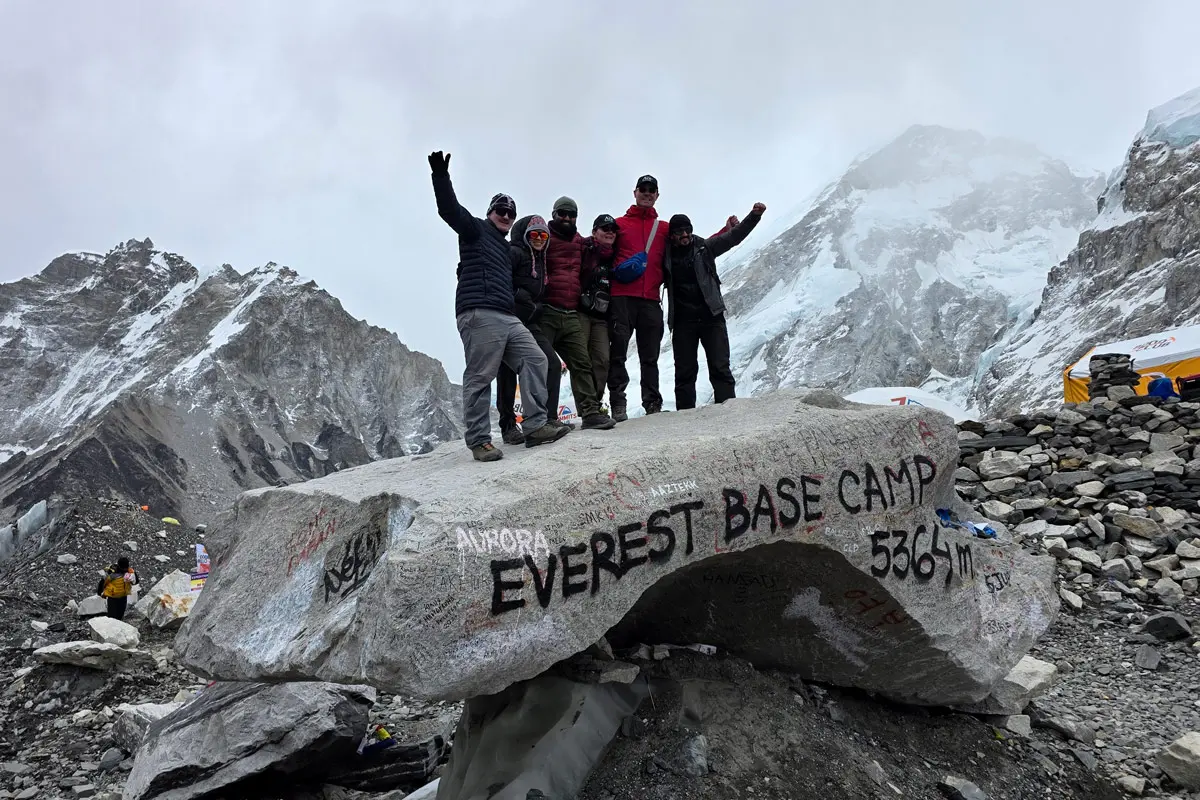
Everest Base Camp Trek: The most magnificent adventure of the Himalayas journey, with its stunning mountains and culture leading you towards the extreme parts of this planet. High-altitude environments, though, bring about all the extremes of weather, like bone-chilling cold, harsh winds, and unpredictable weather conditions that definitely call for very good preparation.
Rather, during the trek, heavy drinking following long hours in sub-zero conditions adds to potential injuries from the cold, which arise because of either insufficient clothing or lack of understanding (or bad trekking habits) by the trekkers. Understanding the things that cause cold adverse effects supports trekkers to do the kick in the butt Everest Base Camp Trek with comfort while keeping their health tip-top throughout this journey.
How cold is it on an Everest Base Camp Trek?
The Everest Base Camp Trek crosses different zones of altitude, the temperatures dropping steadily on that trek owing to a rise in elevation. Once you arrive at Namche Bazaar, the mornings and nights could be extremely cold around Lobuche, Gorak Shep, or areas in the proximity of Everest Base Camp. Cold-Related Injuries and Illnesses: Frostbite, Hypothermia & Cold Stress Understanding these risks before beginning illnesses then enables secure planning and decision-making along the route in this mountainous region of India.
Keep your warm in the right layer piece.
Apart from altitude sickness, layering techniques are one of the more useful calling methods to avoid cold weather injuries during the Everest Base Camp trek. Through its separate layers, trekkers can adjust to the fluctuation of temperature and activity. A specialty base layer shirt that will wick moisture and insulated layers to shield against the cold are useful when we get back into cooler weather. Top layer—breathable, wind-resistant, and with waterproof properties for protection against rain/snow/strong mountain winds Layering provides effective temperature moderation and removes many of the risks associated with so much exposure.
Add Foot, Hand, and Head Protection for Extreme Cold
As you lose most heat through your hands, feet, and head, anything weather-wear or clothing for the Everest Base Camp Trek will be beneficial. Quality socks, cold weather gloves, and insulated caps help ensure your warmth in the colder climate conditions. Moisture is the enemy of the risk of cold injuries, so it is important not to keep feet wet. Better padding on longer walking days in boots, additionally with a bit of insulation that’s customary for good, appropriate trekking boots. Little gestures matter in freezing mountain temperatures.
Your Gear List: What You Should Know Before Hitting the Road
The cold weather problems under such circumstances rain down as a very significant point while embarking on the Mount Everest base camp trek, so it is crucial that you prepare your equipment in an appropriate manner. One more piece of cold-weather gear is a sleeping bag to allow trekkers to stay cozy while spending the nights at cold-mountain lodges. You wear insulated jackets, thermal clothes, and bespoke waterproof gear in inclement weather, right? Investing in trekking gear is simply improving the experience and relieving discomfort. With the right gear in hand, travelers will have an easier time adjusting to abrupt temp changes.
Do not get wet on the Everest trip.
Moisture also increases the risk of cold injuries because wet clothing is non-insulative. When trekking to Everest Base Camp, walkers need to be dry from their clothing, footwear, and personal items. Rain or snow, waterproof backpack covers and storage bags keep important gear dry. Dawn sees us shed the dampness of the clothes we have trekked in, purging our bodies to recuperate warmth. By far the simplest and perhaps most successful cold-weather complication prevention tip is remaining dry.
Maintaining Proper Nutrition and Hydration
The colder the region, the more it impacts energy usage of your body (the Alpine atmosphere is thinner). Eating well and staying hydrated are similarly an important part of keeping warm as you trek to Everest Base Camp. Hot food is energy for weary wildlife treks, and ample potable water will keep our systems running well. Many trekkers consumed less in low ambient temperature conditions, but underhydration reduces exercise performance and thermoregulation and increases perception of exertion. Nutrition and hydration are important aspects of strength and endurance.
Reducing Excessive Exposure to Cold
Nevertheless, spending too long outdoors in extreme temperatures needs to be avoided when possible, as can suffering cold injuries. Audit winds and frigid temperatures can soon take effect on uncovered skin at high altitudes.
Trekkers should be crossing posts from time to time when the temperatures are relatively high, not lingering about unnecessarily without a change of clothes, but if they must feel free first and foremost to change clothing, then details regulate the action. Listening to the body, which has many new signs of excess cold, rationalizes the approach up to more serious issues. The right trekking decisions can indeed make the difference between successfully completing the Everest Base Camp Trek or not.
Identifying Early Signs of Cold-Related Problems
Cold Injury Symptoms Learn About Early Warning Dogs who are uncontrollably shivering, feeling numb in the digits, moving abnormally slow or sluggishly, and having confused looks on their face, and inability to walk properly might be indications that the body is battling against the cold. Over time things can get so much worse if those symptoms are ignored. Should you or anyone else that is tagging along feel queasy at any point, then it is best to inform your guide right away and act quickly. Much of mountain safety is about being aware early and acting fast.
Delay clocks were invented for teahouses in the Everest region.
The nights can be a little cold at higher altitudes during the Everest Base Camp trek. If you are prepared to go to sleep in a good way, then it will minimize the chances of falling sick plus not having any effect of a cold. Wear warm sleeping clothes and the right sleeping bag, and add a few blankets for an easy sleep. And it also keeps you warm, preventing any essentials from being exposed as you sleep at night. Thus, resting is very important because our body needs energy for the next day for trekking.
Acclimatization and Safe Trekking Practices
Moreover, “acclimatization” is primarily a term that talks about the high-altitude adaptation, but it also helps in relieving the constant physical suffering imposed by cold environments on trekkers. A day-wise itinerary of a gradual Everest Base Camp Trek aids the body in acclimatizing properly. How this helps: If you walk the easier way, rest properly, and do not exert yourself too much or get too tired, you will be less prone to cold-related issues. Diligent hiking protocols allow you to have a more rewarding and enjoyable experience in the Himalayas.
Traveling With Experienced Support
The cold weather conditions of the Everest Base Camp Trek can be tough to deal with. The best-equipped unit guides up for the challenges are trained and well experienced with increased altitude. The local guides are familiar with the mountain conditions, aware of changing weather patterns, and most importantly, understand how to trek safely. They also take you through the risks, which clothing alteration best works for, and how to decide in an emergency. Professional help is particularly advantageous for novice high-altitude trekkers that may not have much experience with Himalayan components!
Conclusion: Safety in Check Using the Everest Base Camp Trek
Cold weather injuries can be easily prevented on the Everest Base Camp Trek with appropriate preparation, situational awareness, and responsible trekking behaviors. Good-fitting clothes, suitable equipment, and enough drinks and snacks aid a trip to an extent…but it also needs the knowledge of climate. The cold Himalayan climate that makes the Everest region partially unique also needs to be approached with caution and foresight. If these precautions are taken, travelers have a chance to experience the breathtaking heart-stopping beauty that is the Everest Base Camp Trek, and create lifetime memories in one of nature’s most awesome mountain venues.