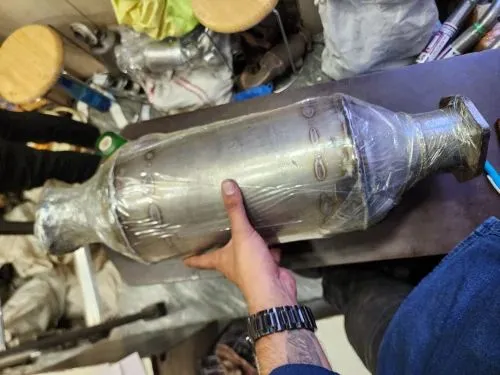
If you are looking to sell my catalytic converter, prepare the converter before visiting a local recycling center. Look for stamped numbers, engraved markings, and manufacturer codes, then take clear photographs. Record the vehicle make, model, engine, and approximate year if known. Good preparation helps the center identify the material and provide a more useful quotation. It also prevents you from making a trip without the basic information needed for an evaluation. Keep the converter intact unless the recycling center gives specific preparation instructions.
Find Suitable Local Centers
A search for catalytic converter recycling near me can return general scrap businesses as well as companies that specialize in automotive recycling. Before visiting, contact the center and ask whether it accepts individual catalytic converters and how the units are valued. Some locations may purchase directly, while others may collect material for a larger processor. Confirm whether appointments, identification, ownership information, or other documents are required. A short phone call can save time and help you arrive prepared for the actual transaction.
Ask For A Clear Quote
When requesting a price, provide the converter number and photographs rather than relying on a general vehicle description. Ask whether the quoted amount is firm and whether inspection can change it. If testing or downstream processing is involved, find out how the final payment is determined. It is also useful to ask when payment is issued and whether any fees are deducted. Clear answers give you a better way to compare the local center with other buyers before deciding where to sell.
Understand The Center’s Role
A recycling center may be the first point in the recycling chain rather than the final processing facility. It may sort converters and send them to a processor or refinery that handles further recovery. Ask what happens after the center receives your material. This does not make the center less legitimate; it simply explains how the recycling network operates. Understanding the center’s role can also explain differences in pricing because downstream processing, transportation, and recovery costs may be reflected in the offer.
Check Payment And Documentation
Before handing over the converter, confirm how payment will be made and what documentation you will receive. Ask whether the receipt shows the converter identification, purchase amount, or other relevant information. If the center performs an evaluation before payment, ask how long it normally takes. Keep the receipt and payment confirmation after the transaction. Clear documentation gives you a record of what was sold and can be useful if you later compare another converter or need to review the terms of the sale.
Consider More Than Distance
The closest recycling center is convenient, but distance should not be the only factor in your decision. Compare its quotation, evaluation method, payment timing, documentation, and communication with at least one other option when practical. If the offers are close, convenience may make the local center the sensible choice. If the difference is large, ask why. A lower quote may include a faster fixed settlement, while a higher quote could be provisional. Understanding the conditions behind each figure is more important than distance alone.
Keep A Simple Sale Record
After the sale, save photographs of the converter, identification details, quotation, receipt, and payment confirmation. If the center tells you which processor or refinery receives the material, note that information too. A simple record can help you compare future sales and understand how similar converters were valued at different times. It can also help resolve questions if the final payment differs from what you expected. Keeping records is especially useful when you sell more than one converter over several months.
Conclusion
Selling a catalytic converter to a nearby recycling center can be straightforward when you prepare the material and understand the transaction first. Identify the converter, confirm the center’s requirements, ask how the price is calculated, and clarify payment before handing over the unit. Compare local options rather than assuming the nearest location is automatically the best choice. For additional information about catalytic converter recycling and refining, gndrefiners.com can be another resource to review when researching where to sell.